

How Much Is Jade Worth? Unlocking the Factors Behind Its Value
For centuries, jade has been treasured across cultures — symbolizing purity, protection, and prosperity. From ancient Chinese dynasties to modern collectors, this timeless gemstone continues to hold powerful allure. But not all jade is the same. Understanding its types, qualities, and value factors will help you recognize what truly makes jade so special.
This passage will be explored at:
- Two Main Types: Jadeite vs Nephrite
- Factors That Determine Jade’s Value
- The Most Expensive Jade Types
- How Much Is a Jade Stone Worth Today?
- conclusion
Two Main Types: Jadeite vs Nephrite
All authentic jade falls into two mineral categories — jadeite and nephrite.
Jadeite is the rarer and more valuable variety. It’s found mainly in Myanmar (Burma) and is known for its rich translucency, vivid colors, and fine texture. The most prized form is imperial jade, a deep, vibrant green with a glass-like luster.
Nephrite, on the other hand, is more common and has a softer, waxy appearance. It comes in shades of green, white, yellow, and brown. Nephrite has been used in ancient Chinese carvings and ornaments for thousands of years due to its toughness and spiritual symbolism.
In short:
- Jadeite = rarer, more valuable, vibrant colors
- Nephrite = softer glow, traditional, durable beauty
Factors That Determine Jade’s Value
Several key factors influence jade’s market value:
Color
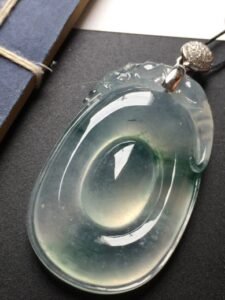
This is the most significant factor. For jadeite, vivid green “imperial jade” commands the highest prices, followed by intense lavender, red, and yellow hues. For nephrite, mutton-fat white and spinach green are most prized. The ideal color should be vibrant, even, and saturated without being dark or muddy.
Transparency
The finest jadeite is semi-transparent to transparent, allowing light to penetrate deeply and create what experts call “inner glow.” Nephrite is typically more opaque, though the finest specimens still show good translucency.
Texture
High-quality jade has a fine, even texture. Jadeite should be smooth and uniform, while premium nephrite exhibits a velvety, oily appearance. Coarse, uneven textures significantly reduce value.
Craftsmanship
Exceptional carving can transform good material into a masterpiece. Fine workmanship that follows the stone’s natural shape and color patterns adds substantial value, particularly when done by recognized masters.
Treatment
Untreated, natural jade (Type A) is most valuable. Jade that has been bleached and polymer-impregnated (Type B) or dyed (Type C) is worth considerably less. Always ask for certification from reputable laboratories like GIA or NGTC.
The Most Expensive Jade Types
Among all jade types, Imperial Jade is the most coveted and valuable. This rare form of jadeite features a deep, rich emerald-green color and superb translucency.
Other highly prized varieties include:
- Lavender Jade – Rare and feminine, symbolizing calm and spiritual balance.
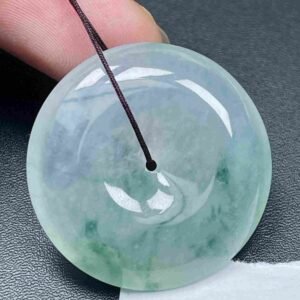
- Icy Jade – Almost colorless with glass-like transparency, elegant and modern.
- Apple Green Jade – Bright and lively, often seen in fine jewelry.
Prices for top-quality jadeite can surpass even diamonds, especially when certified by reputable gemological institutes.
How Much Is a Jade Stone Worth Today?
The worth of a jade stone varies dramatically — from a few dollars for simple beads to millions for high-grade gemstones.
- Low- to mid-grade nephrite jade jewelry may range from $20 to $200.
- Fine jadeite jade pieces often sell for hundreds to thousands of dollars per carat.
- Exceptional, investment-grade imperial jade can exceed $10,000 per carat — or more in auction markets.
As global demand grows, particularly in Asia, jade continues to rise in prestige and price, making it both a spiritual and financial treasure.
Conclusion
Whether it’s the brilliance of jadeite or the timeless charm of nephrite, jade remains one of nature’s most captivating stones. Its beauty lies not only in its color and texture but also in its deep cultural and spiritual symbolism.
Owning jade is more than possessing a gemstone — it’s carrying a piece of history, harmony, and good fortune.
FAQs
1. What is the difference between jadeite and nephrite?
Jadeite is rarer, harder, and more vibrant in color, while nephrite is softer, smoother, and more common. Jadeite is generally more valuable.
2. Which color of jade is the most valuable?
The most valuable color is Imperial Green jadeite — a rich, translucent emerald-green shade with strong saturation.
3. What factors determine the value of jade?
Color, transparency, texture, and craftsmanship are key factors. The richer the color and clearer the stone, the higher its value.
4. Why is Hetian white jade so expensive?
Hetian white jade (from Xinjiang, China) is prized for its pure white color, fine texture, and cultural significance, making it highly collectible.
5. Why is transparency important in jade?
Transparency enhances jade’s glow and beauty. Semi-transparent jade looks more “alive” and is much rarer and more valuable.
6. What should I look out for when buying jade?
Check for natural color, fine texture, and good polish. Always buy from a trusted seller and ask for certification to avoid dyed or fake jade.
7. What is the spiritual meaning of jade?
Jade symbolizes purity, protection, wisdom, and harmony. It’s believed to attract good luck, peace, and spiritual balance.